

X
Upload CV
The 6 tech roles recruiters will find hardest to fill in 2026 ( + What YOU should do)
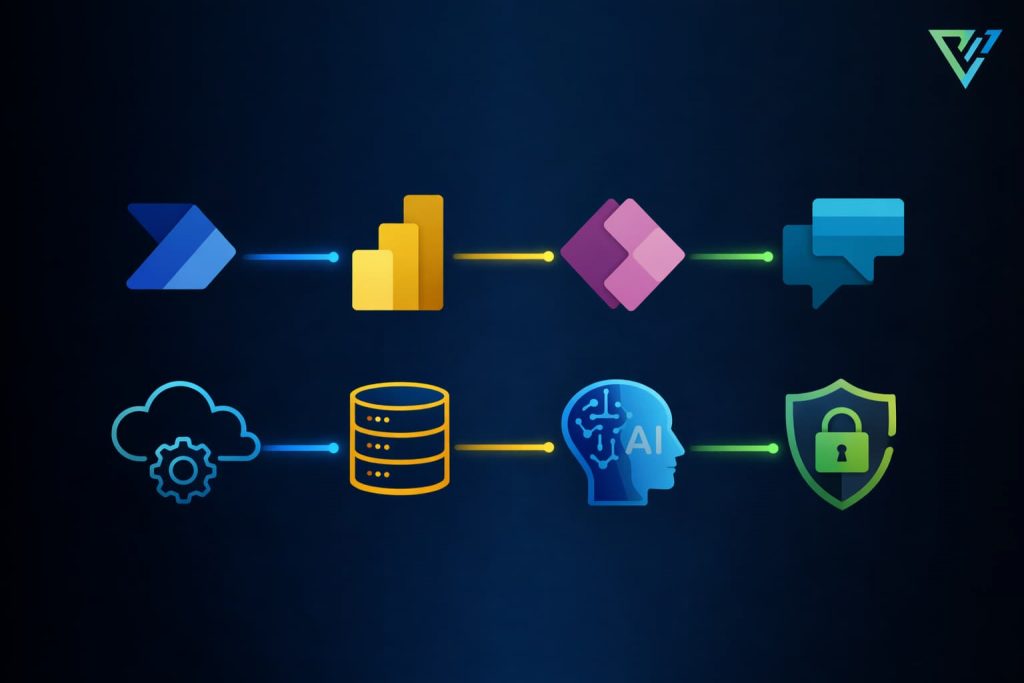
Hiring in 2026 isn’t easier than it was. But it is different. You may see fewer overall openings than in the boom years, but the competition for specialised talent is still intense because the skills aren’t always adequate and roles are more specialised.
This means traditional hiring approaches like broad job specs, long interview cycles are far less effective.
Below, we break down the tech roles facing the most hiring competition in 2026 and what you can do to improve your chances of securing the right talent.
Key takeaways before we start
Before getting into specific roles, it’s worth grounding this in reality. This is the hiring market you’re operating in going into 2026:- Over 90% of organisations expect to be impacted by the IT skills shortage by 2026, which means competition for experienced tech talent isn’t easing (source: Insight Global).
- The tech sector continues to add roles, particularly across cloud computing, software development, data, and security.
- Demand for Microsoft specialists, including Dynamics 365, Power Platform, Azure, and Microsoft 365, continues to outstrip supply, making these some of the toughest roles to fill for recruiters
- Data scientists, information security analysts, AI engineers, and cloud specialists consistently appear at the top of “most in-demand” lists (and they’re also some of the hardest profiles to secure).
1. AI & Machine Learning Roles
AI is now a core requirement to product roadmaps, automation, and insight generation. Roles like AI engineers and ML engineers are consistently ranked among the most in-demand tech jobs for 2026. In fact, this market is expected to grow to US$432.64 billion by 2034 (source: Fortune Business Insights). Plus, data scientists and related analytics roles are among the fastest-growing segments, with demand up significantly compared with other parts of tech. In particular, companies building AI solutions on Azure OpenAI, Microsoft Fabric, and Copilot-integrated environments are competing for talent who understand both AI and the Microsoft stack, which is a scarce combination. What you should do for these roles: Start your pipeline earlier than you think you need it. Passive candidates dominate this segment and won’t wait through slow processes.2. Cybersecurity Specialists
Cybersecurity talent remains in serious shortage, with demand driven by rising threats and multi-cloud infrastructure growth. Data scientist roles are projected to grow ~34% (Source:US Bureau of Labor Statistics). What you should do for these roles: Be transparent about risk exposure and technology stack in your posting — candidates want to understand what problems they’re solving, not just what tech they’ll use.3. Cloud Engineering & Architecture
Cloud adoption isn’t slowing, and with growth comes competition for engineers who can balance cost, scale, and security. Tech sector growth is led by cloud computing, which saw strong expansion in job listings and a continuing premium for cloud expertise. What you should do for these roles: Specify whether you’re hiring for migration, optimisation, or platform engineering. Clarity drives better candidate matches and faster hires.4. Microsoft & Dynamics talent
While broader tech roles dominate most hiring reports, one of the biggest pain points for recruiters in 2026 sits within the Microsoft ecosystem. This is particularly true Dynamics 365 and Power Platform roles as the demand continues to rise across:- Dynamics 365 Functional Consultants
- Dynamics 365 Business Central / F&O / CRM specialists
- Power Platform Developers
- Power BI Analysts
- Azure-integrated Dynamics specialists
- Partner with niche Microsoft recruiters rather than generalist agencies.
- Be very clear whether you need a functional consultant, technical consultant, or developer.
- Highlight whether the role involves implementation, migration, or optimisation. As these attract very different candidates.
5. Data & Analytics Professionals
Data roles remain central because every decision in modern organisations relies on analytics insights. Tech jobs overall are projected to grow at twice the rate of the broader workforce in the next decade, with data roles among the fastest. What you should do for these roles: Describe exactly who uses the outputs of the role and how. Candidates out there care about impact as much as tools.6. DevOps, Automation & Hybrid Roles
DevOps and roles that bridge development, operations, and reliability are still at the top of hiring lists. AI, cloud, DevOps and data roles consistently top demand lists for 2026 tech hiring. What you should do for these roles: Test candidates on the kind of work they’ll actually do. For example, how they’d automate a deployment, handle a failed release, or work with developers to fix a production issue, rather than relying on abstract coding tests that don’t reflect the role.What YOU Need to Do to secure top-tier talent in 2026
Competition isn’t just about salary anymore. It’s about process, clarity, and speed:- Start your hiring sooner. Specialist talent gets snapped up early.
- Be detailed in job specs. Don’t just list skills; explain responsibilities and impact.
- Move quickly through interviews. Many candidates are approached by multiple employers at once.
- Offer realistic role context. Candidates want to know what they’ll achieve in the first 6–12 months.
- Change how you source and manage candidates. Platforms like Zileo help centralise vacancy sourcing, contact discovery, outreach, and pipeline tracking,
- Use niche recruiters with specific tech networks. Generalist firms just can’t reach deep talent pools.

JOBS BY SECTORS